

Many Australians had hoped that the hardest part was already behind them. After several years of rising living costs and expensive mortgages, more and more families were waiting for the moment when interest rates would finally begin to fall steadily. However, the Reserve Bank of Australia’s latest decisions have painted a completely different picture.
Advertisement
On September 29, the RBA raised its key interest rate by another 0.25 percentage points—to 4.60%, the highest level in about 15 years. So far in 2026, the rate has risen by a full percentage point. The main reason is inflation, which remains well above the central bank’s target range.
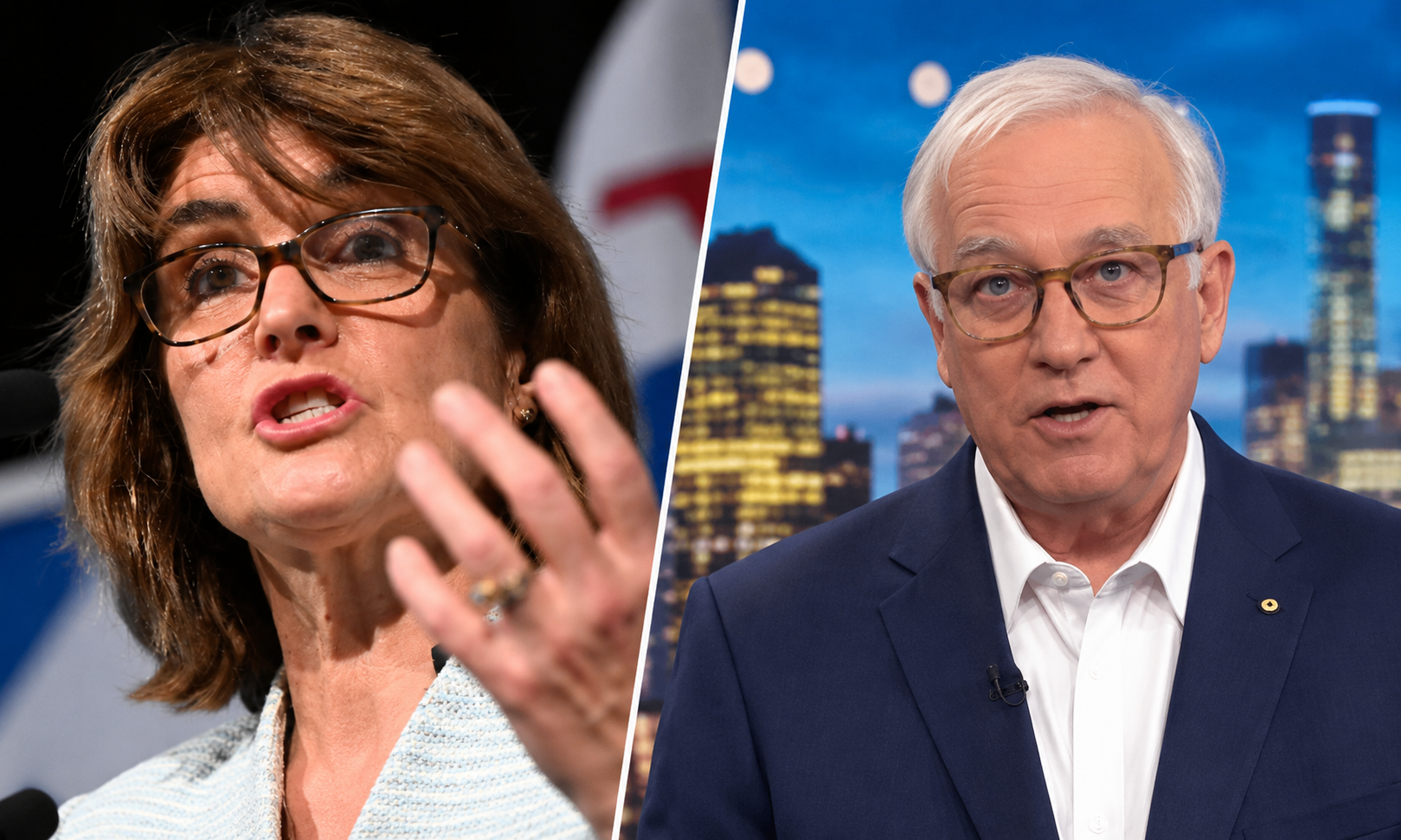
RBA Governor Michelle Bullock warned even before the meeting that some of the inflationary risks the central bank had feared were beginning to materialize. Now the central bank faces an unenviable task: to continue fighting rising prices while fully understanding that every new rate hike increases the pressure on Australians with mortgages.
What makes the current situation unique is the source of inflationary pressure. Australia is facing more than just domestic economic challenges. Rising energy costs, international conflicts, trade tensions, and massive investments in artificial intelligence infrastructure are creating additional demand and affecting the cost of resources worldwide.
This is precisely what renowned financial journalist Alan Kohler highlights in his latest articles. He believes that some of the factors driving prices and interest rates higher lie far beyond the control of the Australian government and the RBA.
The Reserve Bank of Australia cannot lower global oil prices or stop an international conflict. Nor can it control U.S. trade policy or the amount that tech giants invest in building data centers.
But the RBA has another tool at its disposal—the interest rate. By raising it, the central bank reduces domestic demand: mortgage payments increase, business loans become more expensive, and consumers have less disposable income.
This is where an unpleasant paradox arises. Australian families may effectively end up paying for inflationary pressures over which they themselves have almost no control.
It’s easy to view the situation as a standoff between the RBA and mortgage holders, but the problem runs much deeper. If Bullock allows high inflation to take hold, the consequences could also be painful. The purchasing power of wages will continue to decline, savings will lose value, and businesses will begin to factor further price increases into their decisions.
Therefore, the RBA is trying to prevent a temporary spike in prices from turning into sustained inflation. However, rate hikes take time to take effect, and the full impact of the monetary tightening already implemented in 2026 may not yet be apparent.
If the central bank stops too soon, inflation may persist. If it goes too far, consumption, investment, the labor market, and the financial situation of households will come under pressure.
The Australian real estate market is becoming another cause for concern. In September, housing prices fell for the sixth consecutive month and were approximately 5.2% below their peak. In Sydney, the decline from the peak approached 9%, and in Melbourne, it exceeded 7%.
For some homeowners, this is creating a particularly unpleasant situation: property values are falling at the same time that mortgage costs are rising.
At the same time, the RBA does not yet see any signs of a systemic financial crisis. Most borrowers continue to meet their obligations, and the banking system remains stable. However, the regulator acknowledges that there are groups of households facing serious financial pressure.
This is precisely where Alan Kohler’s position becomes particularly interesting. His analysis essentially raises the question of how effectively raising interest rates can solve the problem if a significant portion of inflation is caused by external factors.
If prices are rising because Australians are spending too much, a rate hike could indeed cool demand. But if energy, international shipping, and resources are becoming more expensive, a more expensive mortgage for a family in Melbourne won’t address the root cause of the price increases.
The RBA can only try to prevent these external shocks from spreading throughout the economy.
And this creates a rather unpleasant situation: the central bank is using a tool that could hurt millions of Australians to tackle a problem over which it has only partial control.
The RBA’s next interest rate decision is scheduled for November 3. By then, Bullock and her colleagues will have additional data on inflation and the state of the economy.
No one can say for certain yet that the rate will definitely rise again. However, the September decision showed just how quickly expectations can change.
This is where the views of Alan Kohler and Michelle Bullock converge. Bullock must decide how far the RBA is willing to go to bring inflation back under control. Kohler points to a more fundamental problem: a significant portion of the pressure comes from outside, yet it is Australia that has to bear the cost of combating it.
For ordinary families, the main conclusion is not a pleasant one. Even if inflation returns to its target level, that doesn’t mean prices will go back to what they used to be—food, services, and many everyday expenses have already become significantly more expensive. And now, on top of that, interest rates are at their highest level in about 15 years.
Therefore, the main concern right now is no longer just when interest rates will start to fall. More and more Australians are being forced to ask themselves another question: Was the latest rate hike really the last one?