

Home Lifestyle
Category:

Lifestyle

Advertisement

Australians are leaning into values-driven trends, with the top lifestyle priorities for 2026 including investing in their health (39 per cent) and choosing experiences over material items (27 per cent). The shift reflects a broader cultural change towards valuing experiences and wellbeing over the accumulation of possessions. Home design in Australia is entering a new phase defined by joy, creativity, personal expression and wellbeing, according to the latest James Hardie Modern Homes Forecast. The 2026 report identifies four emerging lifestyle themes expressed within the latest home styles, including flexible spaces that adapt to multi‑generational living and biophilic design that brings nature indoors.

Travel preferences also point to a more domestic focus, with 49 per cent of respondents naming Australia as their favourite holiday destination. The preference for local travel reflects both cost considerations and a renewed appreciation for Australia’s natural beauty and diverse attractions. The Great Aussie Debate 2026, which surveyed 53,000 Australians, found findings pointing to rising money anxiety and a rethink of work and travel. One in five respondents believes a salary of at least $450,000 a year is now required to be considered “rich”, reflecting cost-of-living pressures and a widening perception of what constitutes financial comfort.

The focus on experiences over material possessions is evident across multiple aspects of Australian life. From home design that prioritises personal expression to travel choices that favour local destinations, Australians are redefining what constitutes a good life. The trend towards intentional living is being driven by a combination of economic pressures and changing values, with many Australians seeking meaning and connection in their daily lives. The desire for experiences also extends to dining, with a growing interest in farm‑to‑table experiences, cooking classes and food festivals that celebrate local produce and artisans.

Pages: 1 2

Advertisement

Young people from Australian and American cities are finding a home in outback Queensland, with the remote town of Julia Creek attracting a diverse range of newcomers. The trend of city-to-country migration continues to gather momentum, driven by a desire for a simpler way of life, more affordable housing and better work-life balance. The movement reflects broader shifts in lifestyle preferences, particularly among younger Australians who are reassessing what they value in their living arrangements. The popularity of “lifestyle locations” is being partly driven by Gen Z and Millennial buyers, or those now aged around 20-44, who are increasingly prioritising space, nature and community over proximity to urban amenities.

The migration trend is not limited to Australians, with young people from the United States also making the move to remote Australian communities. Some are attracted by the Australian lifestyle, while others are seeking to escape political polarisation or high living costs in their home countries. The appeal of the outback lifestyle — characterised by strong community connections, a slower pace of life and the absence of urban congestion — is drawing people from diverse backgrounds. The trend has been facilitated by remote work opportunities and changing attitudes towards where and how people choose to live, as the pandemic normalised working from anywhere.

The movement of young professionals to regional areas has significant implications for both the communities they leave and those they join. Regional towns benefit from an influx of skills and energy, while cities face the challenge of retaining talent. The trend also raises questions about housing affordability and infrastructure in regional areas as populations grow. Local councils are working to accommodate the newcomers while preserving the character of their communities, often through strategic planning and community engagement processes. Some towns have seen a revival of local businesses and schools, reversing years of decline.

Pages: 1 2

Advertisement

Consumer research commissioned by CommBank has revealed 88 per cent of Australians have adopted new “money rules” over the past year, as they find more flexible ways to manage spending without giving up routines, relationships and experiences that matter the most. Most Australians don’t see their daily coffee (73%), beauty or grooming services (71%), or streaming subscriptions (68%) as luxuries. The findings suggest that Australians are finding creative ways to maintain their lifestyle while managing cost-of-living pressures. Eating out saw the biggest reduction, with 72 per cent of respondents saying they had pulled back, followed by takeaways at 61 per cent, shopping and retail purchases at 57 per cent, and domestic travel and holidays at 39 per cent.

A drop in savings, heavier use of credit for essentials and delays to major purchases can all affect repayment patterns and demand across a range of sectors. Despite these pressures, Australians are prioritising social connections and experiences, finding ways to stay connected without breaking the bank. The research highlights a pragmatic approach to financial management, with households making deliberate choices about where to cut back and where to maintain spending. The trend reflects a broader shift towards intentional living and values-driven consumption, as people evaluate what truly adds value to their lives.

The findings come as cost-of-living pressures continue to bite, with 72 per cent of respondents saying their household savings had fallen. However, by many traditional measures, Australia has done surprisingly well — the country avoided recession, unemployment stayed low and the housing market largely held up. Australia’s unemployment rate was 4.4 per cent in May, below the OECD average of 4.9 per cent, while labour force participation remains high by international standards. The combination of economic resilience and household financial strain presents a complex picture, with many families feeling worse off despite the macro-level stability.

Pages: 1 2

Advertisement

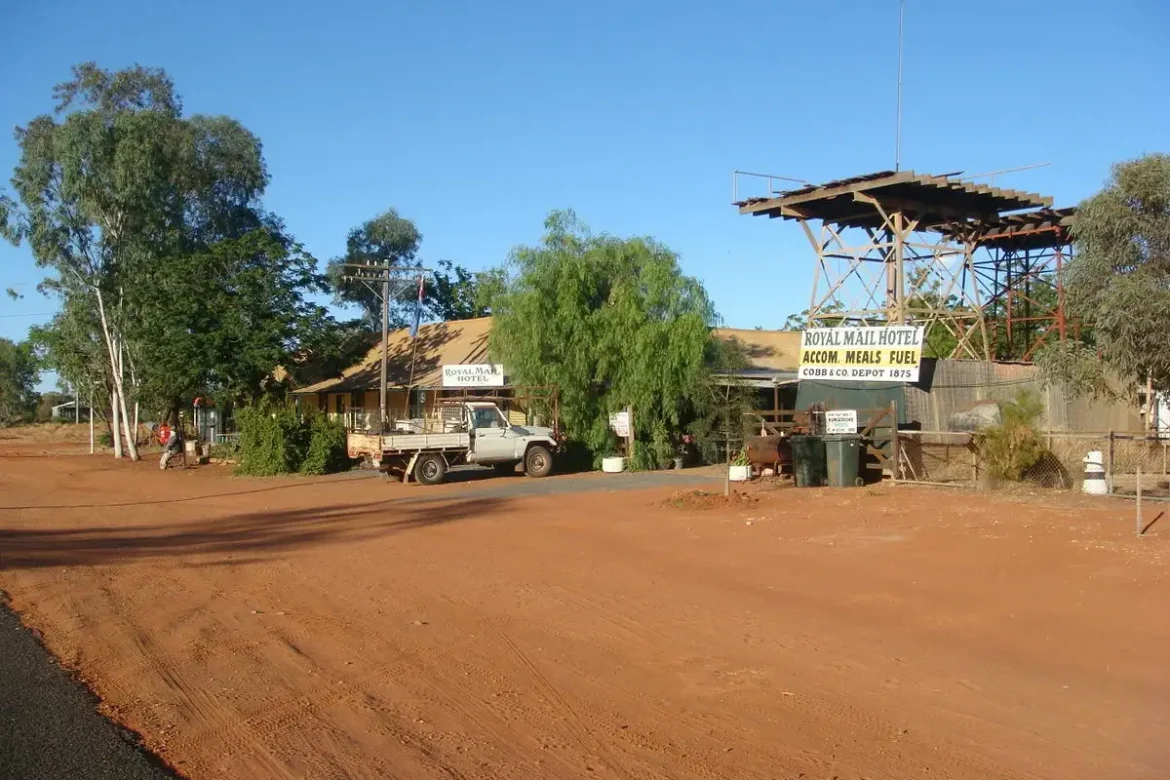
A publican, two paramedics, and a couple of backpackers rolled into the outback, leaving their city lives behind. In the remote Queensland town of Julia Creek, more than 1,600 kilometres north-west of Brisbane with a population of just 550 people, the quaint rural village is now home for 30-year-old Jack Pixley, who manages the local pub. “My boss bought the pub and asked, ‘Do you want to go to Julia Creek and run a pub?’ and I said, ‘Yeah, why not?’” the Sydney local said. Three years after that proposition, the self-proclaimed “city lad” said he was pleasantly surprised by the outback charm. “[It’s] a very small town from what I’m used to, obviously, but it’s been really good,” he said, noting that he has developed close friendships and a sense of community he never found in Sydney.

Kelsea Hogan and Billy Wootton packed up their Brisbane home, their young twin daughters, and swapped the metro grind for a town without a single traffic light. The paramedics took a leap of faith to run Julia Creek’s ambulance base, with no plans to return to the state’s capital. “[We were looking] for something a bit more family friendly,” Wootton said. “We had our kids … and we were working opposite shifts in Brisbane. The workload was out of hand and we weren’t really spending much time together as a family.” Now, they’re no longer facing the shift extensions that kept them apart, and they have rediscovered the simple joys of having dinner together and putting their children to bed every night.

Transitioning to the cultural norms of the outback has taken some time, but the couple say they “couldn’t be happier.” “When we first moved out here, it’s sort of like the internal clock is running at that busy, metropolitan, hustle-and-bustle pace,” Wootton said. “We don’t have to worry about traffic, busy shopping centres, just the normal day-to-day stuff that you get in busy areas. Everything’s walking distance from home … it’s just a simple, peaceful way of life.” After watching the couple experience burnout in Brisbane, their families eventually understood their decision to move a 17-hour drive away. The couple also appreciated the warmth of the local community, which welcomed them with open arms and helped them settle in.

Pages: 1 2

Advertisement

The “Great Australian Dream” has been superseded by the pursuit of the “Great Australian Lifestyle” as a new measure of success underscored by financial security, a new survey finds. MLC’s Real Retirement Report, compiled alongside McCrindle Research, found owning a home remains a common aspiration among younger Australians, but the definition of financial and life success is broadening beyond a single milestone into a more holistic view of financial freedom across a lifetime. The report found Australians’ top life aspirations are now financial independence (54%) and having enough money to retire comfortably (54%), prompted by a “pragmatic response to a changing world.” This shift reflects the impact of sustained housing affordability challenges and rising cost of living on traditional aspirations.

Ongoing economic uncertainty and cost-of-living pressures are reinforcing the need to balance immediate financial priorities with an intentional plan for the longer term. The long-held aspiration of owning a home remains important but is no longer viewed as the sole marker of achievement. Many Australians are now embracing what the research describes as the “Great Australian Lifestyle”, centred on financial freedom, flexibility and the ability to enjoy life experiences throughout retirement. “Together, these enable Australians to live well today while building towards the Great Australian Lifestyle over time and doing so with the confidence to focus on what they value, from family and relationships to travel, careers and life experiences,” the report reads.

The survey of 2500 Australians also found Gen Z is the generation most optimistic about retirement outcomes. More than one-third believe they will be able to meet their financial needs in retirement, while they expect to retire earlier than any other age cohort, at 63. Across the population, cost-of-living pressures are by far the most cited barrier to achieving financial goals (64%), followed by current income (37%) and debt (20%). Gen Z reported the highest levels of frustration about their financial situation (37%), just ahead of Gen Y (36%), followed by Gen X (32%) and Baby Boomers (19%). This generational divide highlights the differing experiences of economic conditions across age groups.

Pages: 1 2

Advertisement

Our Company

Silent Basin Pty Ltd

16-18 Waltham St, Artarmon NSW 2064, Australia

+61402793151

[email protected]

Disclaimer

The information published on this blog is intended for general informational purposes only. We do not guarantee the accuracy, completeness, or reliability of any content. Any use of the information provided on this website is at your own discretion.

All rights reserved. 2026