

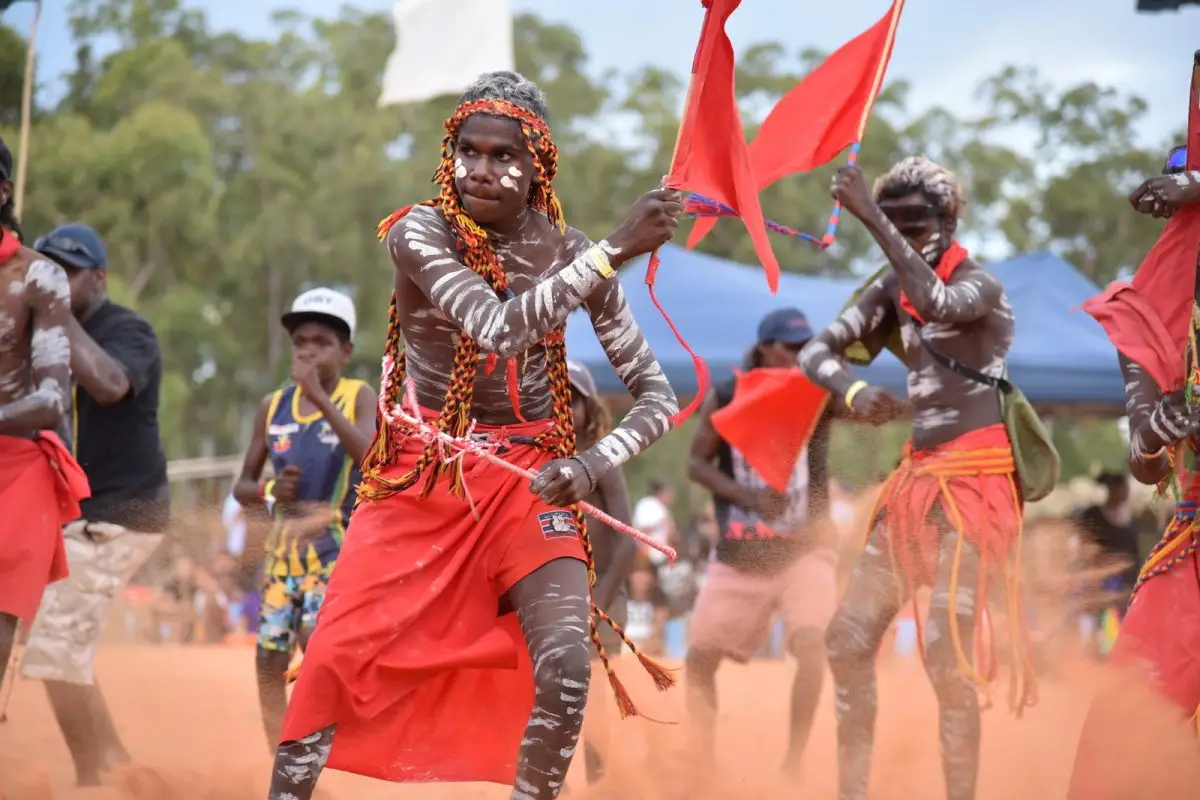
The prime minister made the Indigenous Voice to Parliament a central pillar of his agenda and committed to the Uluru Statement from the Heart in full when he was elected in 2022. The Voice referendum failed the following year, a result that deeply affected many Indigenous Australians. Since then, the government has pursued a “practical” agenda focused on housing, health and education outcomes, but critics argue that symbolic engagement, such as attending Garma, remains vital for rebuilding trust. The prime minister’s absence this year, even if for a scheduled break, has been seized upon by opposition figures who question his commitment to the Indigenous portfolio.
Advertisement
It is not the first time that Albanese has faced scrutiny over keeping commitments. His decision to change negative gearing and capital gains tax settings in May was criticised as a broken promise, and his handling of the cost-of-living crisis has also drawn fire. The Garma Festival attendance issue adds to the narrative of a prime minister struggling to maintain his commitments while managing the demands of the office. However, his defenders point out that he has a gruelling schedule and that his attendance at the festival for the past several years demonstrates his genuine interest, and that one absence should not be over-interpreted.
As the festival gets underway, the focus will shift to the substantive discussions on Indigenous policy that will take place, including closing the gap targets, economic development in remote communities, and constitutional recognition. The government has signalled that it will use the platform to announce new investment in Indigenous-led community services. The prime minister has indicated that he will personally catch up with Garma leaders after the event to hear their feedback. For now, the debate over his attendance may soon be overshadowed by the festival’s agenda, but the issue of keeping promises will likely remain a theme for the remainder of his term.