
What Remained Beyond the Headlines After Sarah Ferguson and Matt Comyn’s Conversation Most television interviews end when the broadcast ends. However, journalist Sarah Ferguson’s conversation with Commonwealth Bank CEO Matt …
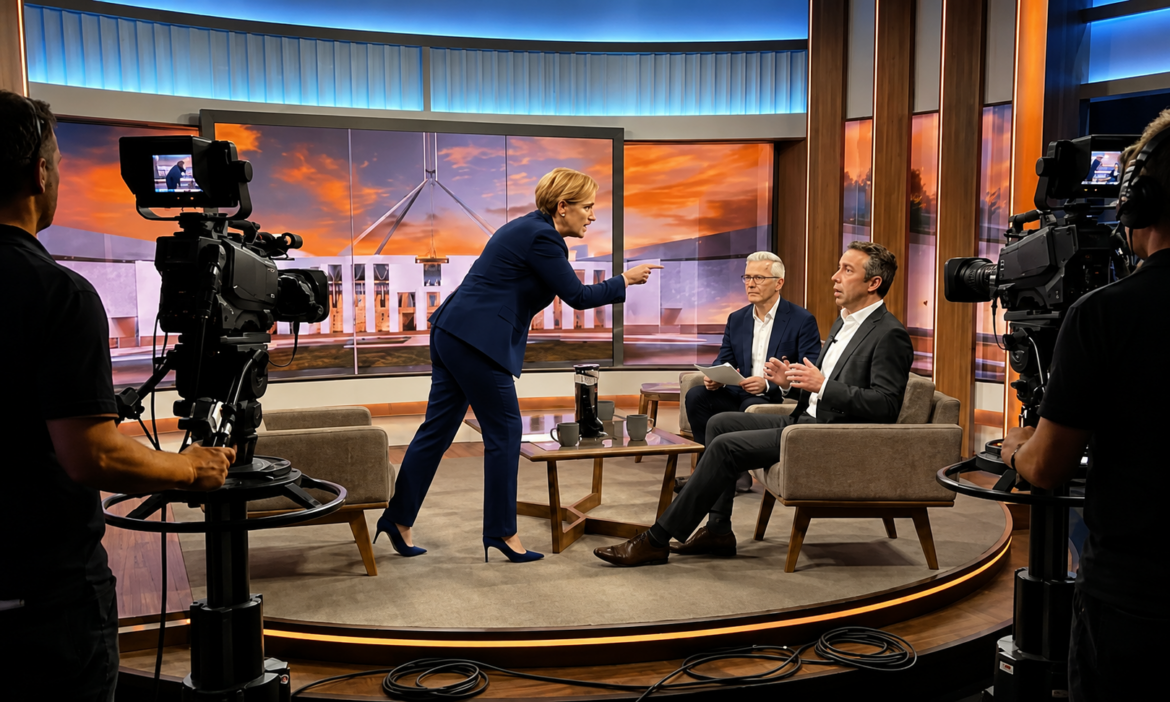
What Remained Beyond the Headlines After Sarah Ferguson and Matt Comyn’s Conversation Most television interviews end when the broadcast ends. However, journalist Sarah Ferguson’s conversation with Commonwealth Bank CEO Matt …

Australians are leaning into values-driven trends, with the top lifestyle priorities for 2026 including investing in their health (39 per cent) and choosing experiences over material items (27 per cent). …
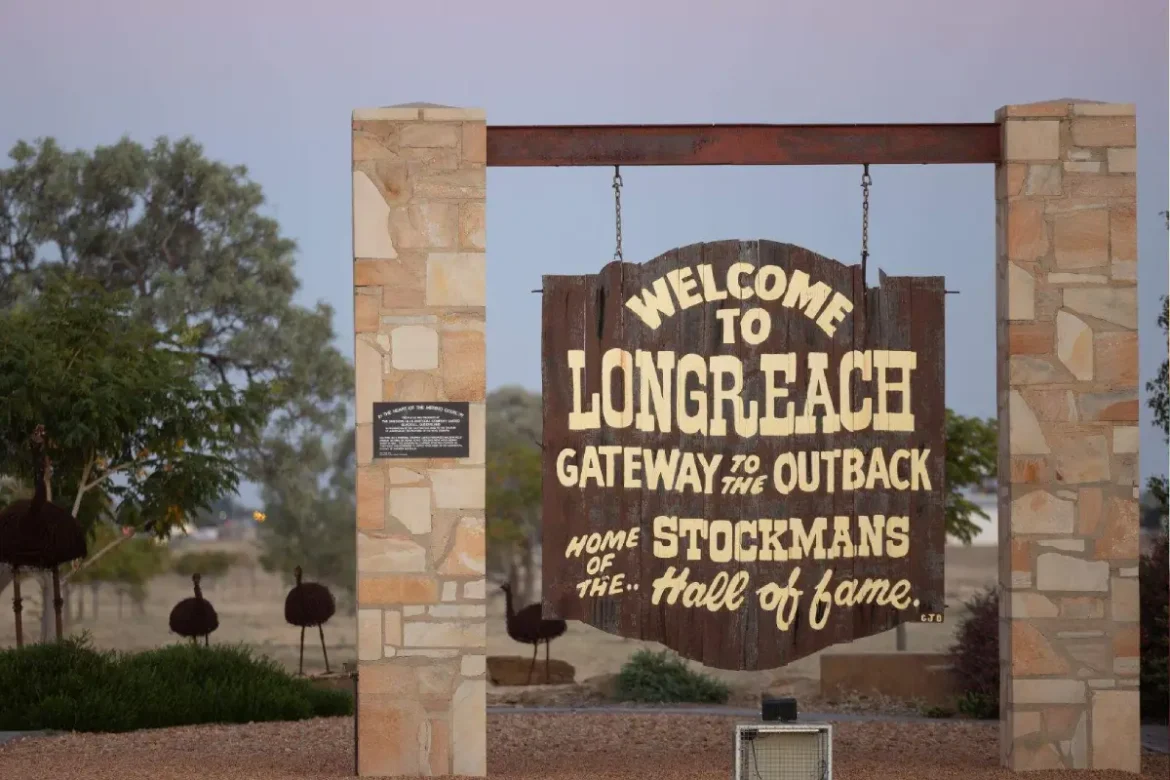
Young people from Australian and American cities are finding a home in outback Queensland, with the remote town of Julia Creek attracting a diverse range of newcomers. The trend of …
Advertisement

Consumer research commissioned by CommBank has revealed 88 per cent of Australians have adopted new “money rules” over the past year, as they find more flexible ways to manage spending …
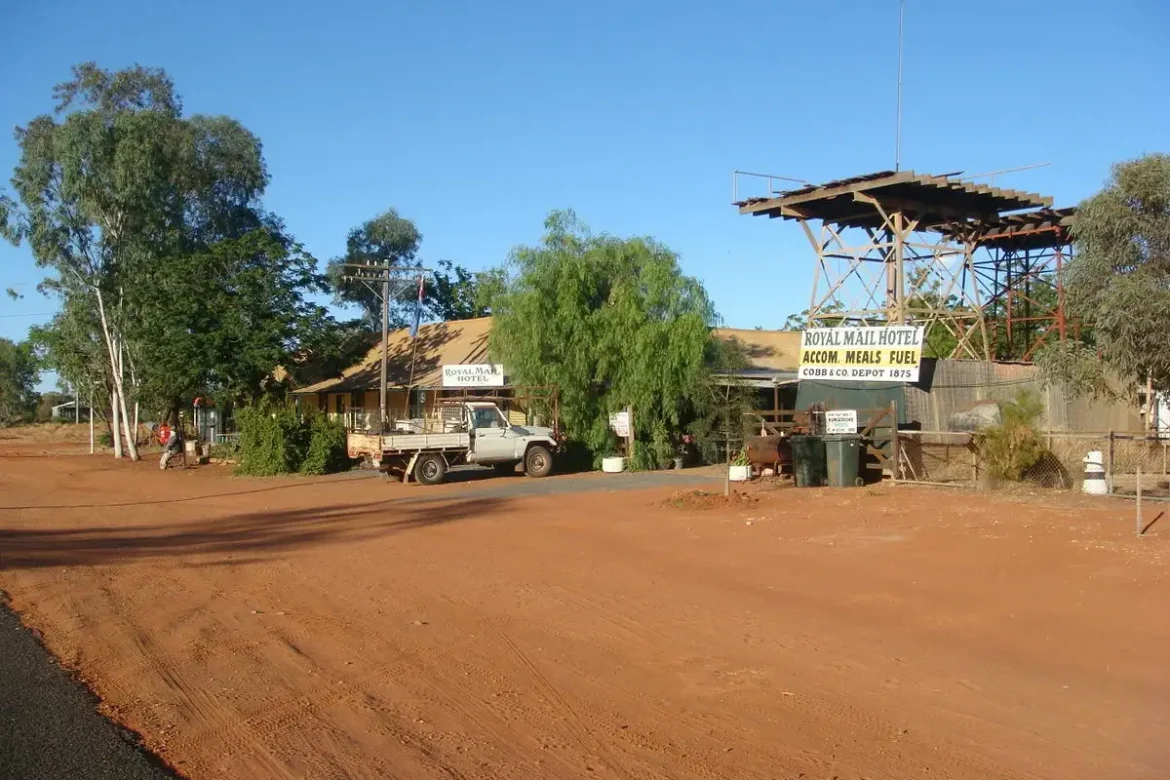
A publican, two paramedics, and a couple of backpackers rolled into the outback, leaving their city lives behind. In the remote Queensland town of Julia Creek, more than 1,600 kilometres …