

Home Author
Author

Hannah Lam

Advertisement

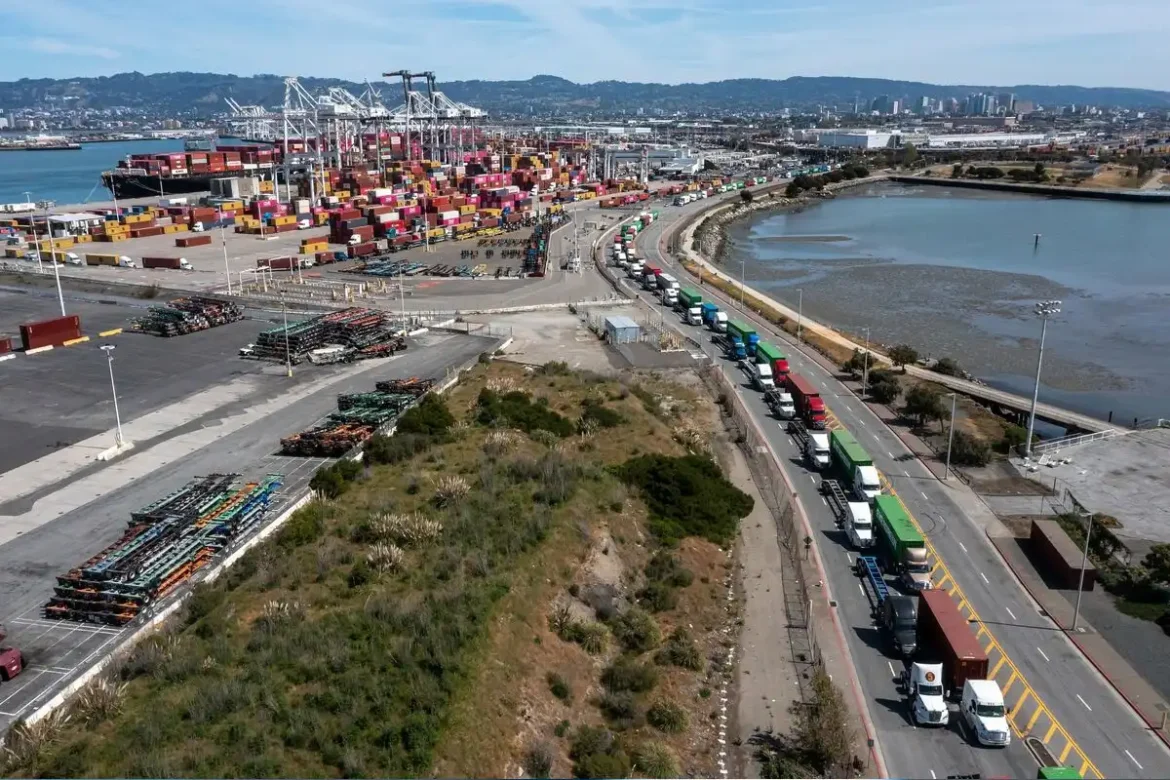
Attorney-General Michelle Rowland has announced that the nation’s modern slavery laws will be strengthened with substantial fines and criminal offences. The Albanese Government has announced plans for a new criminal offence and civil penalties for large companies that fail to prevent modern slavery in their supply chains. The move gives the law “some teeth” after years of a voluntary code that was able to be ignored by the worst offending companies. The announcement comes weeks after the United States threatened trade tariffs over the issue, adding international pressure on Australia to take meaningful action on human rights in global supply chains.

The new laws will make big companies criminally liable for modern slavery in supply chains, with penalties applying to companies with revenue over Aus$100 million. Australia imports billions of dollars of goods with a high risk of slavery in their supply chains every year, including electronics, garments and agricultural products from countries with weak labour protections. Human rights advocates have welcomed the crackdown, describing it as a welcome step to ending forced labour. The Australian Council of Trade Unions also welcomed the announcement, describing it as a long-overdue reform that will improve corporate accountability and help prevent labour exploitation, particularly in industries that rely on complex global sourcing networks.

The strengthened laws respond to longstanding concerns that the existing framework, which relied on voluntary reporting, was inadequate to address the scale of modern slavery risks in global supply chains. The new criminal offence creates a powerful deterrent for companies that might otherwise turn a blind eye to labour abuses in their supply chains. The legislation is expected to have significant implications for large businesses operating in Australia, requiring them to demonstrate robust due diligence processes, including regular audits, risk assessments and transparent reporting. The government has indicated that it will provide a transition period of 12 months for companies to comply with the new requirements.


Pages: 1 2

Advertisement

Australia’s share market headed for a poor final session of the week after US markets fell on weaker chip stocks and amid escalating conflict in the Middle East. The benchmark index fell 1.4 per cent as Brent crude hovered near $US85 a barrel, supporting strong performances from Woodside, Santos, Viva and Ampol. The geopolitical tensions in the Middle East have injected fresh volatility into global financial markets, with investors adopting a more cautious stance. The escalation of conflict between the United States and Iran has raised concerns about potential disruptions to energy supplies and broader economic stability, prompting a flight to safe-haven assets such as gold and government bonds.

The Australian dollar is buying 69.83 US cents, down from 70 US cents on Thursday at 5pm, reflecting the broader market sentiment. The weaker currency offers some support for exporters but also adds to imported inflation pressures, particularly for fuel and other commodities priced in US dollars. The recent oil shock has led to falls in Australia’s consumer and business confidence, though so far there are few signs of a marked slowdown in activity, according to a senior central banker. The resilience of the economy in the face of external shocks has been notable, though risks remain elevated and the potential for a sharper downturn cannot be discounted.

The share market decline was broad-based, with technology stocks particularly affected by the weaker sentiment in US markets. Chip stocks led the losses after disappointing earnings reports from major US semiconductor companies, with the Nasdaq composite dropping more than 2 per cent overnight. Energy stocks, however, bucked the trend, benefiting from the higher oil prices resulting from Middle East tensions. The mixed performance across sectors reflects the divergent impacts of the current geopolitical environment on different parts of the economy. Miners also struggled, with iron ore prices slipping on concerns about slowing demand from China, Australia’s largest trading partner.

Pages: 1 2

Advertisement

Deloitte has forecast Australia’s economy to grow by 2.2 per cent in 2025/26, with headline inflation predicted to remain above four per cent for the remainder of the calendar year, prompting the RBA to raise interest rates one more time in August. The forecast points to the longest stretch of weak growth since the 1990s, reflecting the challenging economic environment facing the country. The combination of persistent inflation and modest growth presents a difficult policy challenge for the Reserve Bank as it seeks to balance the competing objectives of price stability and economic activity. Deloitte Access Economics partner Stephen Smith described the outlook as “a prolonged period of sub‑par growth that is testing the resilience of households and businesses alike.”

The Deloitte analysis highlights the headwinds facing the Australian economy, including elevated inflation, geopolitical tensions and the ongoing impact of global supply chain disruptions. Despite these challenges, the economy has avoided recession, with unemployment remaining relatively low by historical standards at around 4.4 per cent. However, per capita GDP has gone backwards in two of the past five quarters and was flat in a third, underscoring the weakness in living standards growth. The outlook suggests that while the economy continues to expand, the pace of growth remains insufficient to generate meaningful improvements in per capita incomes, a trend that has significant political and social implications.

Inflation expectations have shown some signs of moderating, with Australia’s expected inflation rate falling to 4.7 per cent in July, the lowest level since January 2026, according to a survey released by the Melbourne Institute. This decline offers some encouragement that price pressures may be easing, though inflation remains well above the RBA’s target band of 2-3 per cent. The central bank’s next interest rate meeting will be held on August 10-11, with markets closely watching for any indication of the policy direction. Governor Michele Bullock has previously signalled that the board will not hesitate to tighten further if the data warrants it, but the current mixed signals make the decision finely balanced.

Pages: 1 2

Advertisement

Reserve Bank chief economist Sarah Hunter says global supply shocks appear to be occurring more frequently and the RBA will try to adjust to the new reality. She said the RBA was investing in new economic models, research, and frameworks to deal with the new problems. “These sharp adverse supply shocks have become more frequent, meaning the Monetary Policy Board and the RBA have had to navigate the policy trade-offs repeatedly,” Hunter said. “And we could see this continue going forward; economic spill-overs from rising geopolitical tensions, trade fragmentation, and the increasing prevalence of extreme climate events are just some of the shocks we are now experiencing.” Her speech in Canberra to the Economic Society of Australia laid bare the challenges facing monetary policy in an era of heightened global uncertainty.

“That means the RBA, and the economy more broadly, may have to face these trade-offs, and the costs that come with them, more often in the years ahead,” Hunter said. “To help us navigate through these complexities, the RBA is investing in our knowledge, people and frameworks.” Hunter made her comments in a speech in Canberra to the Economic Society of Australia. Only hours earlier, the world learned that the United States had launched fresh missile strikes against Iran, in the latest tit-for-tat assaults between the two countries that are again threatening to choke off the flow of shipping traffic through the Strait of Hormuz. That geopolitical flashpoint has already sent oil prices higher, adding to inflationary pressures globally.

Hunter said the prevailing wisdom was to look through short-term supply or relative price shocks, relying on the assumption that the shock and its impacts would be relatively temporary. However, if the shock was expected to be more persistent and create greater risks of inflation expectations shifting higher, the central bank would need to respond by raising interest rates. In recent years, the RBA had consciously poured more resources into understanding what a world of increasing supply shocks may look like for inflation targeting central banks. The traditional approach of ignoring first-round effects is no longer adequate when shocks cascade through multiple sectors and persist for quarters rather than weeks.

Pages: 1 2

Advertisement

Treasurer Jim Chalmers says artificial intelligence is central to his aim to turn around Australia’s lagging productivity, which could ultimately help lower interest rates. Productivity and real wages growth have been generally stagnant in Australia for more than a decade, with business investment also generally weak, albeit with recent signs that capital expenditure is starting to pick up. Stagnating productivity means that, instead of making and selling more goods from each hour worked, businesses can generally only maintain or increase their profits by raising prices. This drives up inflation and has created a key sticking point for the Reserve Bank when it considers whether to raise or lower interest rates, as the central bank seeks to balance price stability with sustainable employment.

OECD data shows that instead of productivity, corporate Australia is relying on high migration, consumer wealth from house values and favourable terms of international trade to maintain its profitability. In an interview with Alan Kohler, Chalmers spruiked the government’s new AI framework announced by Prime Minister Anthony Albanese and said artificial intelligence and productivity would be “front and centre” of the intergenerational report he would be releasing towards the end of the year. “If you look at all the big shifts in the global economy and in our societies — aging and demographics, changing industrial base, geopolitical fragmentation, the energy transformation, all of that is relevant to this technological revolution which we see in AI,” he said. The Treasurer’s comments reflect a growing recognition that Australia cannot rely on population growth alone to drive economic prosperity.

“For me, it’s central to the work that I do as Treasurer, and it’s central to the work that I do trying to turn around a couple of decades of ordinary productivity performance,” Chalmers said. “Everybody recognises at the most basic level that AI has the capacity to make our economy more dynamic and therefore more productive and the best way to grow our economy over time and lift living standards for people is to make it more productive.” Chalmers said Australia’s productivity decline had spanned two decades and the most recent federal budget included an estimated $10 billion cut in compliance costs forecast to lift GDP by $13 billion — the biggest boost to productivity in three decades. He emphasised that these measures are designed to create an environment where businesses can innovate and adopt new technologies without being weighed down by red tape.

Pages: 1 2

Advertisement

Adelaide have heaped misery on Sydney, pulling off a hard-earned 16-point win in a wet-weather scrap at the SCG after Swans superstar Isaac Heeney suffered a concerning injury scare. Second-placed Sydney lost to Fremantle last week, and Dean Cox’s men are still in prime position to host a qualifying final despite the setback. However, the loss to Adelaide raises questions about the Swans’ form heading into the finals series, with two consecutive defeats exposing some cracks in their previously well-oiled machine. The wet conditions at the SCG made for a grinding contest, with both sides struggling to generate fluent football and the game degenerating into a contested slog.

Heeney’s injury added to Sydney’s concerns, with the star midfielder forced from the field in worrying circumstances late in the third quarter after a heavy collision. He was seen clutching his left shoulder and immediately went down the race for assessment, not returning to the field. The Swans will be hoping the injury is not serious as they approach the business end of the season, and early reports suggest that while he will miss next week’s clash, the damage may not be season-ending. Adelaide, meanwhile, will take great confidence from the victory, having overcome the elements and a quality opponent on their home turf, with the Crows’ midfield brigade led by Jordan Dawson dominating the contested ball.

Pages: 1 2

Advertisement

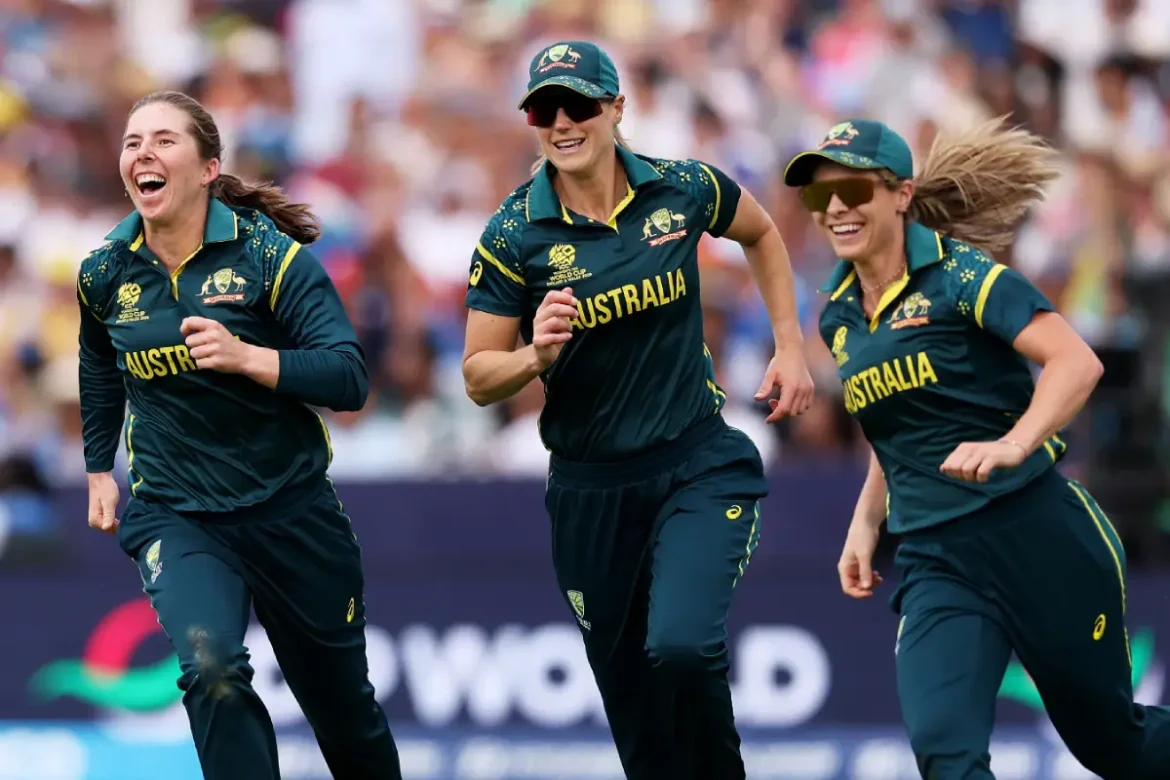
Sophie Molineux captained Australia to victory in the Women’s T20 World Cup, with the team recording a seven-wicket win over England in the final at Lord’s. Molineux was described as having done a “brilliant job” in skippering Australia throughout the tournament, expertly managing her bowlers and field placements under pressure. The victory adds another chapter to Australia’s dominant run in women’s cricket, further cementing the team’s status as a global powerhouse in the format. The final at the historic Lord’s ground provided a fitting stage for Australia’s comprehensive performance, with the team showcasing both skill and composure in front of a packed crowd that included many Australian expatriates.

The Australian innings was built on a solid foundation, with the top order laying the platform for the successful chase. Openers Alyssa Healy and Beth Mooney got the chase off to a brisk start, neutralising England’s new-ball threat and keeping the required rate well within reach. When wickets fell, the middle order, led by Ellyse Perry and Ashleigh Gardner, ensured there was no collapse, rotating the strike and finding boundaries at crucial intervals. England, having set a competitive total of 148, found the Australian batting line-up too difficult to contain on the day, as the Australians paced their innings with clinical precision.

The seven-wicket margin reflected Australia’s control throughout the chase, with wickets in hand ensuring a relatively comfortable finish. The win was celebrated by players and fans alike, with the team demonstrating the depth and quality that has become synonymous with Australian women’s cricket. Molineux’s astute captaincy was particularly evident in the field, where she made bold bowling changes that stifled England’s scoring in the middle overs. Her decision to bring on spinner Alana King in the powerplay paid dividends, as King claimed the key wicket of England captain Heather Knight, shifting the momentum firmly in Australia’s favour.

Pages: 1 2

Advertisement

Australian middle distance star Cameron Myers has continued his sparkling form, breaking the Oceania record while winning the mile at the Eugene Diamond League meet in the United States. Myers never looked like being beaten amid a strong field in the signature Bowerman Mile at the University of Oregon’s Hayward Field, clocking a blistering time of 3:46.06 as he finished 0.55 seconds ahead of 1500m Olympic bronze medallist Yared Nuguse. The 20-year-old’s latest victory comes after his 1500m triumph in Paris last week and underlines his status as one of the best middle distance runners in the world, with his performances drawing comparisons to some of Australia’s legendary milers from previous generations.

“I’m super excited,” Myers said. “I know I won Paris last week, but that wasn’t an official Diamond League, so it’s nice to finally win one. I had a few seconds and thirds in Diamond Leagues, so it’s great to win, especially in the Bowerman Mile.” He added: “I just ran hard. I think that gave me the best probability to win, so it turned out great.” Myers’ tactical awareness was on full display as he positioned himself perfectly throughout the race, surging at the right moment to hold off a fast-finishing Nuguse. His time of 3:46.06 not only broke the Oceania record but also placed him among the top ten mile performers in history, a remarkable achievement for an athlete who is still in the early stages of his senior career.

Myers next heads to Glasgow to prepare for the Commonwealth Games, starting later this month. “I feel like I’ve ticked off the times, so I’ll just turn my focus to winning the races,” Myers said. “That was the mindset I had today.” The shift in focus from time-based goals to competitive outcomes signals a maturation in his approach, as he recognises that titles and medals ultimately define a legacy. His coach, Nic Bideau, has been instrumental in managing his progression, ensuring that Myers peaks at the right moments while avoiding the burnout that has derailed many young distance runners. The Commonwealth Games will provide a stern test against a deep field of international rivals.

Pages: 1 2

Advertisement

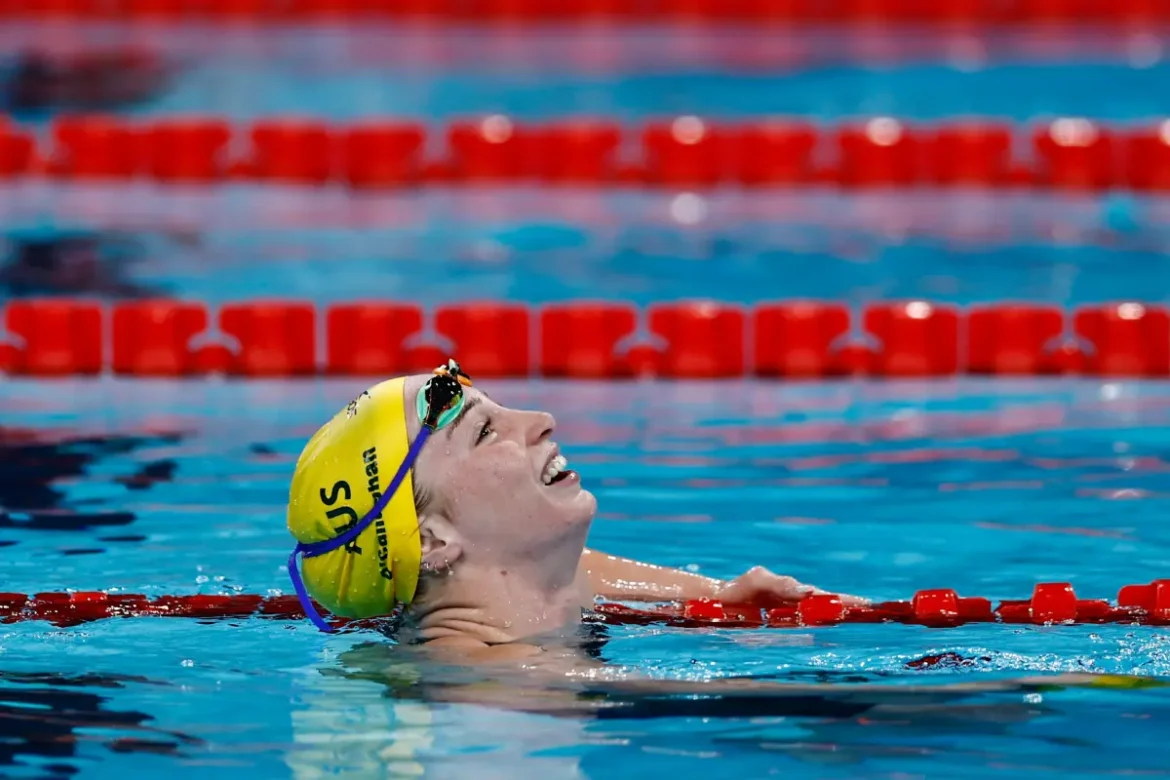
Australian swimming superstar Mollie O’Callaghan has revealed she fought through stress fractures and bone bruising in her back to compete at the Commonwealth Games in Glasgow. Just over a week before the start of the program, the five-time Commonwealth and five-time Olympic gold medallist dropped the bombshell on social media. “Last month I was told I wouldn’t be able to compete at Trials, the Commonwealth Games or Pan Pacs. I was also told to stop swimming immediately,” she said. The 22-year-old described the moment as one that reinforced just how much representing Australia means to her, and she immediately began seeking second opinions and exploring every possible avenue to keep her dream alive.

Scans showed stress fractures and bone oedema in O’Callaghan’s lumbar spine, prompting her team to seek advice from a spinal specialist to determine if there was any safe way for her to compete. “Thankfully, after further assessment everything has continued to move in a positive direction, and after Trials I was given the green light to compete at the Commonwealth Games and Pan Pacs,” she said. O’Callaghan is currently listed to compete in three individual events — the 100m and 200m freestyle, and 50m backstroke — as well as a number of the women’s and mixed relays. The specialist team worked meticulously to design a tapered training program that would allow her to maintain fitness without aggravating the spinal injury, a delicate balancing act that has required daily monitoring and adjustments.

The 22-year-old also spoke about being hampered by a shoulder issue in the lead-up to the Games, which start on July 23. The Pan Pacific Swimming Championships begin in California about two weeks after the swimmers wrap up in Glasgow, adding to the demanding schedule that she is determined to navigate. “Things might look a little different for me at the Commonwealth Games and Pan Pacs but I’ll give everything I have and do my absolute best every time I race,” O’Callaghan said. She thanked her team and spinal specialist for working tirelessly to find a way to keep her in the water while prioritising her recovery, acknowledging that the path forward required compromise and careful management of her training loads.

Pages: 1 2

Advertisement

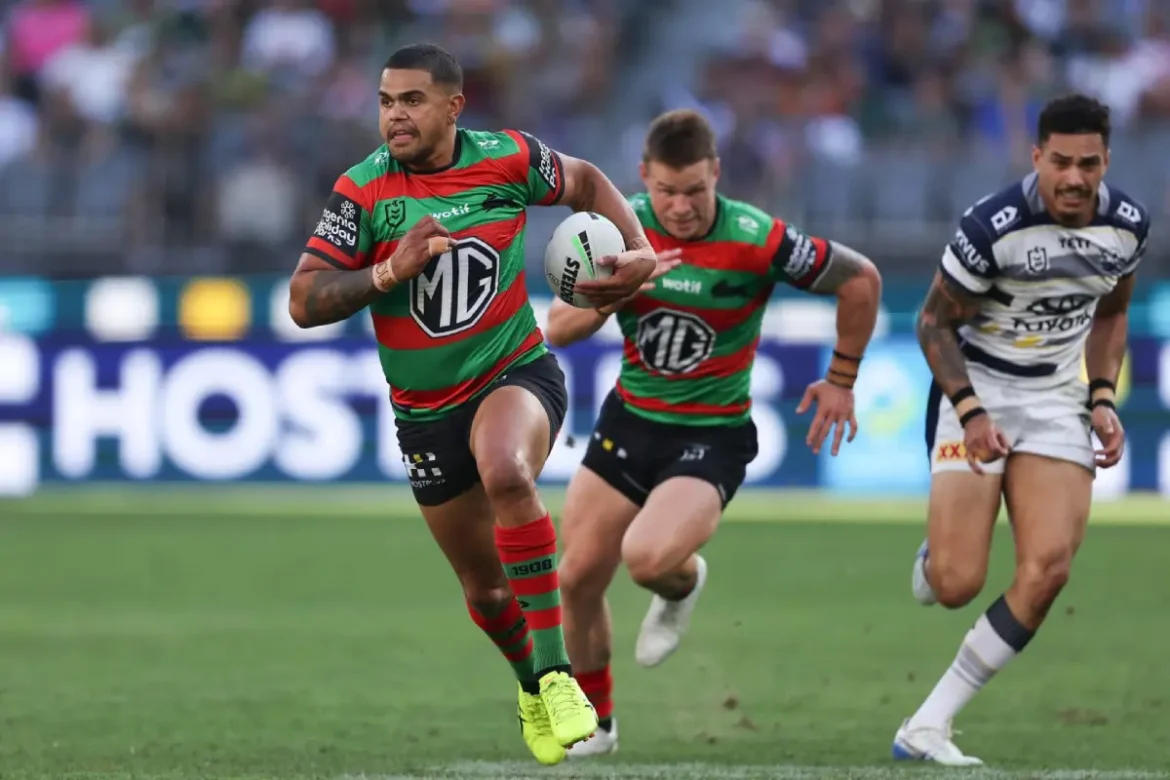
The Melbourne Storm’s NRL finals hopes are hanging by a thread after a crushing 14-6 loss to the Sydney Roosters at Sydney Football Stadium on Friday night. The defeat was overshadowed by yet another devastating injury, with Warriors recruit Will Warbrick appearing to have played his last game for the club after suffering a suspected Achilles tendon injury in the first half. Teammates consoled a tearful Warbrick as he left the field on a medi-cab, having fallen awkwardly in the lead-up to Billy Smith’s first-half try. The winger joins Cameron Munster, Jahrome Hughes, Eli Katoa, Tui Kamikamica, Xavier Coates and Ativalu Lisati in one of the NRL’s most high-profile casualty wards, leaving coach Craig Bellamy with an almost unrecognisable spine for the run home.

Storm captain Harry Grant expressed his dismay after the game, acknowledging the severity of the situation. “Probably didn’t realise the severity of it at the time, thought he was just receiving some treatment, but yeah the medi-cab was called, and that’s not what you want to see,” Grant said. “And especially for Will, we know what footy he has been playing for us and he only has a little time left at the club. You want to make that enjoyable and memorable and we’ll show our support and stay with him now.” The depleted Storm faced a tough task against the top-four Roosters in their first game without either Hughes or Munster this year, and the absence of their two chief playmakers was evident in a disjointed attacking performance that managed only one try across the full eighty minutes.

Despite the circumstances, Melbourne’s defensive grit kept them in the contest, even as they were out-muscled through the middle and needed 54 minutes to earn a red-zone tackle. The Storm threatened to pull off an unlikely upset after being gifted rare field position from a questionable high-tackle penalty, a decision Roosters coach Trent Robinson labelled as “laughable” after the game. Down 8-0, the Storm were back within two points when Grant caught the Roosters napping and popped a ball up to Stefano Utoikamanu on the fifth tackle, giving the home crowd a flicker of hope. However, the momentum proved short-lived as Melbourne struggled to maintain any sustained pressure against a Roosters defensive line that had been well drilled all evening.

Pages: 1 2

Advertisement

Older Posts

Our Company

Silent Basin Pty Ltd

16-18 Waltham St, Artarmon NSW 2064, Australia

+61402793151

[email protected]

Disclaimer

The information published on this blog is intended for general informational purposes only. We do not guarantee the accuracy, completeness, or reliability of any content. Any use of the information provided on this website is at your own discretion.

All rights reserved. 2026