
Home Author
Author

Hannah Lam

Advertisement

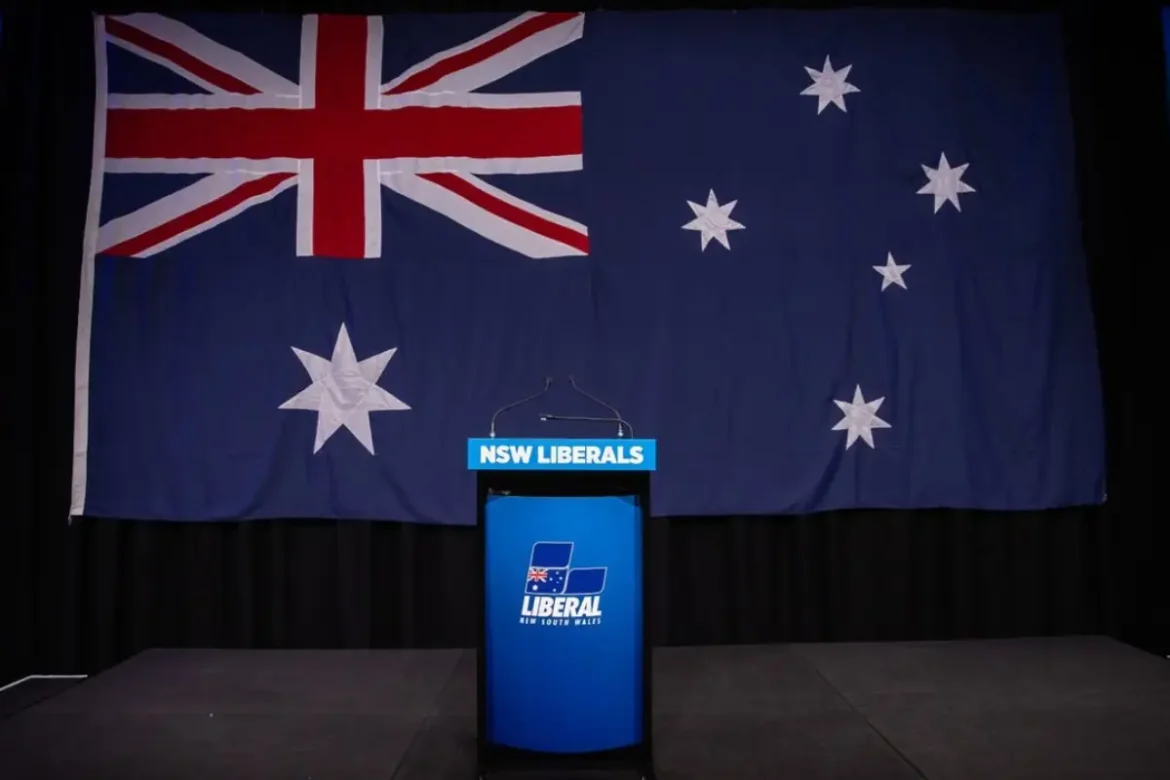
The Liberal party sent its supporters a discussion paper canvassing options to modernise itself following rolling electoral defeats and a loss of support among professional women, people with Chinese ancestry, and those from suburban electorates with high multicultural populations. By the next election, the paper noted, one in five voters will have been born after the year 2000 with “no historical memory of September 11, the Howard government [or] a world without smartphones”. After the most recent federal election loss, the party established a commission to help generate ideas to win back voters chaired by Queensland senator James McGrath. In the email, McGrath said the party was in the “political fight of our lives” as “core demographics continue to turn away from us without looking back”.

The discussion paper was circulated amid a flurry of condemnation that echoed an episode from the party’s past. Liberal Northern Territory senator Jacinta Nampijinpa Price was rebuked for sharing a clip on social media that falsely claimed Labor was “importing” Indian migrants. Price was sacked from the shadow cabinet in September last year for suggesting the government’s migration program favoured Indians in order to help its electoral fortunes. Liberal leader Angus Taylor has said he would review the Northern Territory senator’s social media use. The episode has highlighted the party’s ongoing struggle to manage its more conservative voices while appealing to a broader electorate.

The party’s internal challenges are compounded by the rise of One Nation, which has drawn support from conservative voters. Sky’s latest Pulse/YouGov poll, taken between July 7-14, found One Nation’s primary vote dipped four points to 26 per cent as Labor regained the top spot as Australia’s most popular party at 28 per cent. Support for One Nation fell by three points in July to 26 per cent, while the coalition’s backing rose to 23 per cent, in a Resolve Political Monitor survey. The polling suggests that while One Nation remains a significant force, Labor currently holds the advantage. However, the Liberal Party’s primary vote remains below its traditional levels, indicating that it has not yet won back former supporters who drifted to minor parties.
Pages: 1 2

Advertisement

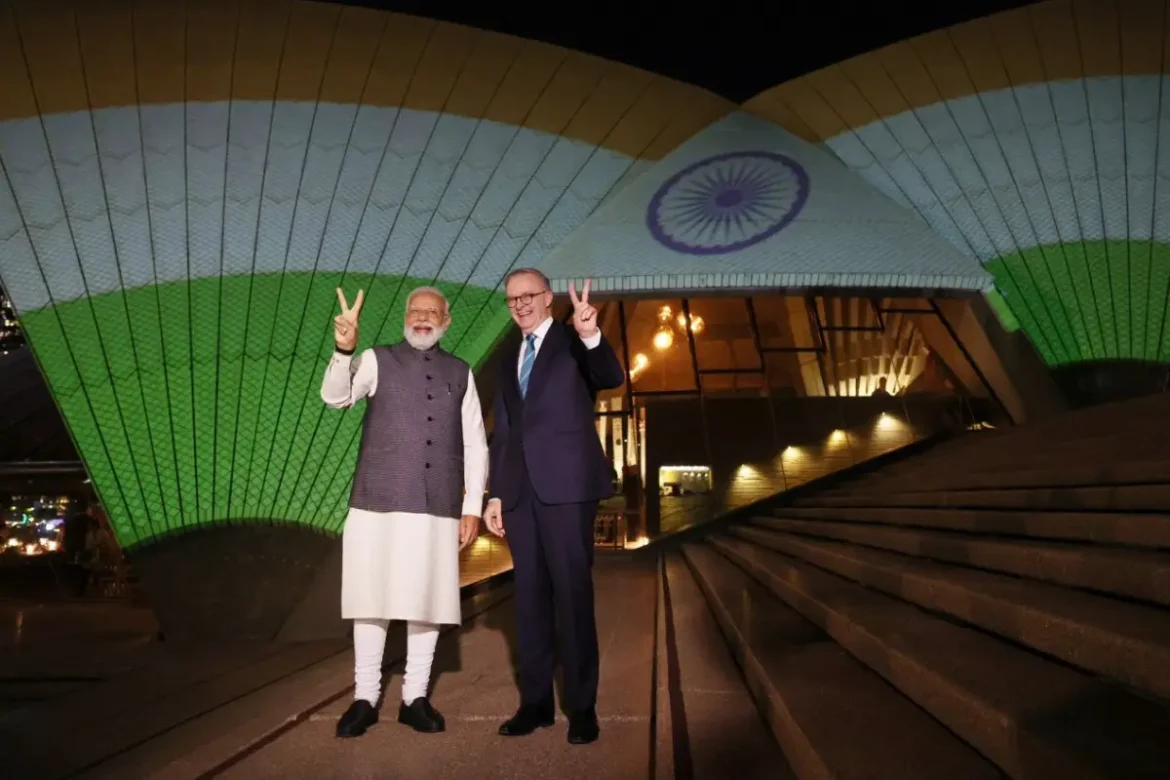
Prime Minister Anthony Albanese welcomed the Prime Minister of India, Narendra Modi, to Australia from 8-10 July 2026 for the Third Australia–India Annual Summit in Melbourne. The two leaders reaffirmed their shared commitment to further consolidate and expand the India–Australia Comprehensive Strategic Partnership to respond to emerging challenges in a rapidly evolving global environment. They announced a Joint Declaration on Defence and Security Cooperation, reflecting a step-change in the depth and ambition of the bilateral defence and security relationship. The declaration underscores the growing strategic alignment between the two countries in the Indo-Pacific region, particularly in response to shared concerns about maritime security and regional stability.

The Prime Ministers welcomed the establishment of an Annual Defence Ministers’ Dialogue as a mechanism to enhance consultation and cooperation. They noted with satisfaction the growing frequency and complexity of defence exercises and exchanges under the Mutual Logistics Support Arrangement. The defence partnership now extends across all domains, with emphasis on deepening interoperability. The leaders agreed to enhance maritime cooperation through the India-Australia Maritime Security Collaboration Roadmap, reaffirming their shared commitment to a peaceful and prosperous Indo-Pacific. The roadmap includes joint patrolling, information sharing and capacity building for regional partners, reflecting a practical approach to addressing common challenges.

The Prime Ministers acknowledged the significance of defence industry, research and material cooperation. They welcomed ongoing work to develop a Memorandum of Understanding for the Provision of Defence Articles and Defence Services, and efforts to promote connections between Australian and Indian defence industries. Both leaders looked forward to the placement of a visiting military instructor from India at the Australian Defence College in 2028-2029 and welcomed Australia’s upcoming hosting of the fourth iteration of the General Rawat India-Australia Young Officers’ Exchange Program. These initiatives are designed to build people-to-people links between the two militaries and foster mutual understanding of each other’s operating environments.

Pages: 1 2

Advertisement

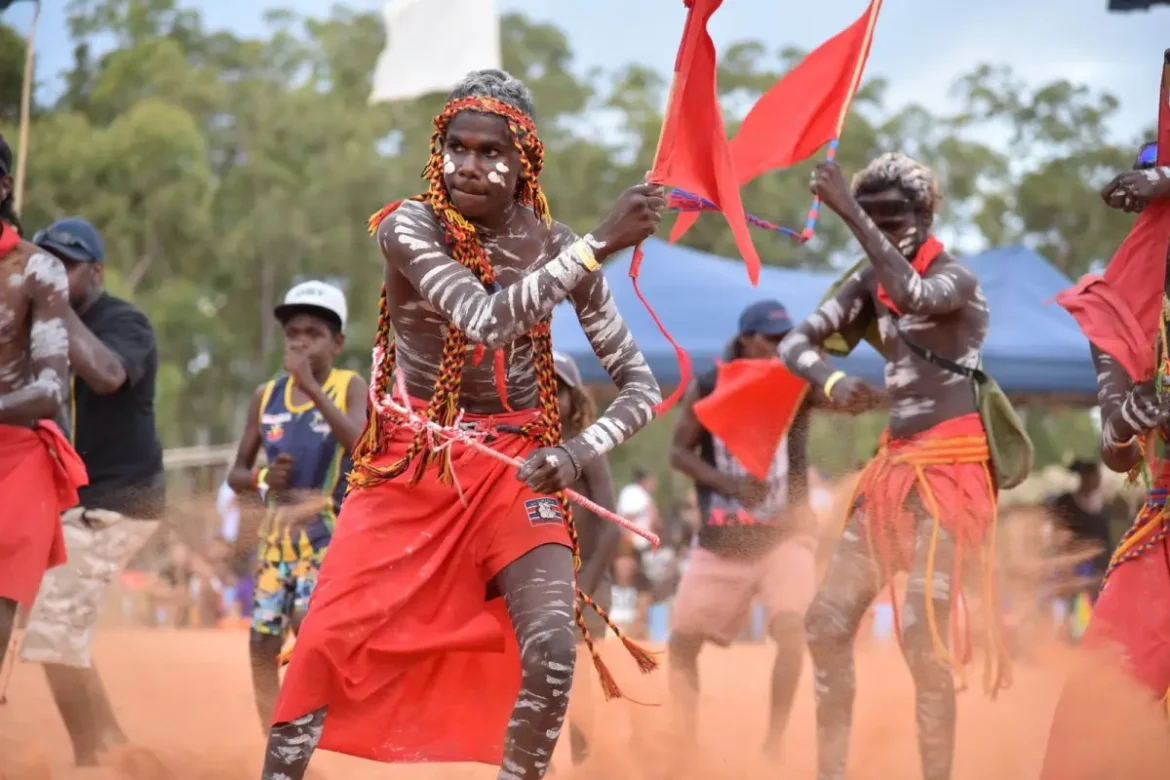
Anthony Albanese has defended breaking his promise to attend the Garma Festival every year, stating he hasn’t “had a day off all year”. At last year’s event, Albanese vowed to attend the country’s largest Indigenous gathering for as long as he remained prime minister. “I commit here that, every single year that I have the great honour to be Australia’s prime minister, I will be here and engaged with you,” he told the Garma Key Forum. Last week the ABC reported that the prime minister would not travel to the Northern Territory for the festival, which kicks off on July 31. The decision has drawn criticism from Indigenous leaders and opposition figures, who view the commitment as a key demonstration of respect for First Nations peoples.

Asked whether this constitutes a broken promise, Albanese said, “I haven’t had a day off all year.” “And this weekend, in a few days, I’ll be in another remote part of the Northern Territory,” he said. “I will be on leave at that time, but I will be at another festival in the Northern Territory in the coming days. I’ve been to Garma every year that it’s been held since I’ve been Labor leader in 2019.” Foreign Minister Penny Wong and Minister for Indigenous Australians Malarndirri McCarthy will attend the four-day festival in north-east Arnhem Land, ensuring that the government has a senior presence at the event, which is seen as a crucial forum for dialogue between governments and Indigenous communities.

Hosted by the Yothu Yindi Foundation and the local Yolnu peoples, Garma is a gathering of leaders, families, cultural custodians and guests from across the country and is one of the most significant forums for discussing Indigenous affairs. In a statement, the Yothu Yindi Foundation said: “Mr Albanese is a good friend of the Festival, and has been to every Garma since 2019.” The foundation added that they understand the demands of the prime minister’s schedule and welcomed the attendance of senior ministers. However, some Indigenous leaders have expressed disappointment, arguing that the prime minister’s personal attendance sends an important symbolic message about the priority his government places on Indigenous issues.

Pages: 1 2

Advertisement

Prime Minister Anthony Albanese apologised on Monday after making a crude remark about singer Kylie Minogue in a comedy podcast interview, prompting outrage from women’s rights groups and opposition lawmakers. Albanese was asked by host Nikki Osborne which of three Australian female celebrities he would marry, date or “shag” — a vulgar term in Australia referring to sex. Albanese initially declined to respond, saying he was recently married, but Osborne pressed, asking who he would choose if his marriage broke down, and Albanese replied, “Kylie, clearly.” “You’d marry Kylie, and shag her, and date her?” Osborne said. “All of the above,” Albanese replied. The exchange was recorded and shared on social media, quickly gaining widespread attention and criticism.

Albanese was criticised by several opposition lawmakers, with senator Sarah Henderson saying the comments were “disrespectful to women, embarrassing to Australians and demean the office of Prime Minister.” “I apologise unequivocally for the comments,” Albanese said in a statement on Monday. A spokesperson for Minogue did not immediately respond to a request for comment. The incident quickly became a political flashpoint, with the opposition using it to question the prime minister’s judgment and respect for women. The prime minister’s apology was swift and unequivocal, reflecting an acknowledgment that the comments had crossed a line, and he emphasised that he holds Minogue in the highest regard as an artist and cultural icon.

Australia is famed for its informal culture, and politicians in the country are frequently quizzed during interviews on issues including pop culture and sport. However, the nature of the comments and the setting of the podcast raised questions about the boundaries of acceptable political discourse. Some commentators argued that the prime minister was simply participating in a light-hearted segment and that the outrage was overblown, while others maintained that a national leader should maintain a higher standard of decorum. The incident served as a reminder of the scrutiny that public figures face in the digital age, where even offhand remarks can be amplified and scrutinised.

Pages: 1 2

Advertisement

Prime Minister Anthony Albanese returned to his old stomping ground at the University of Sydney to reveal how Australia plans to approach era-defining technological change. In a much-hyped speech, the PM moved to centralise oversight of artificial intelligence and announced that Australia would force data centres to minimise water use and fund their own power supply under mandatory national rules. Albanese said Australia had a narrow window of opportunity to establish AI’s “social licence”. The announcement represents a significant shift in the government’s approach to AI regulation, moving from a wait-and-see approach to active intervention, and signals that Australia intends to be a rule-setter rather than a rule-taker in the global AI landscape.

Artists have taken some heart from the PM’s promise they will retain control over how their works are used by tech giants, but have told the government they want a seat at the table in his new office for AI. “No company should use Australian books, music, art or news to build or train AI without the artist’s control,” Albanese declared. “Anything less is theft,” he added. The prime minister signalled Labor wanted a new model that would allow creatives to choose whether their works would be used to train AI and how they are paid. The government hopes to next year introduce laws that would set minimum requirements for firms building data centres, including energy efficiency standards and location guidelines to manage environmental impact.

The speech came a day after 200 leading US economists warned that the new computing transformation could be as severe as the Industrial Revolution unfolding over a much shorter timeframe. Albanese argued that AI was a more profound development than social media, as New York became the first US state to put a moratorium on data centres and the Australian housing sector warned construction resources were being diverted away from home building. “We want AI to support and create good jobs, not replace them,” Albanese declared, emphasising that the government’s focus is on augmenting human capability rather than automating it away. He pointed to examples in healthcare and education where AI is already helping professionals work more effectively.

Pages: 1 2

Advertisement

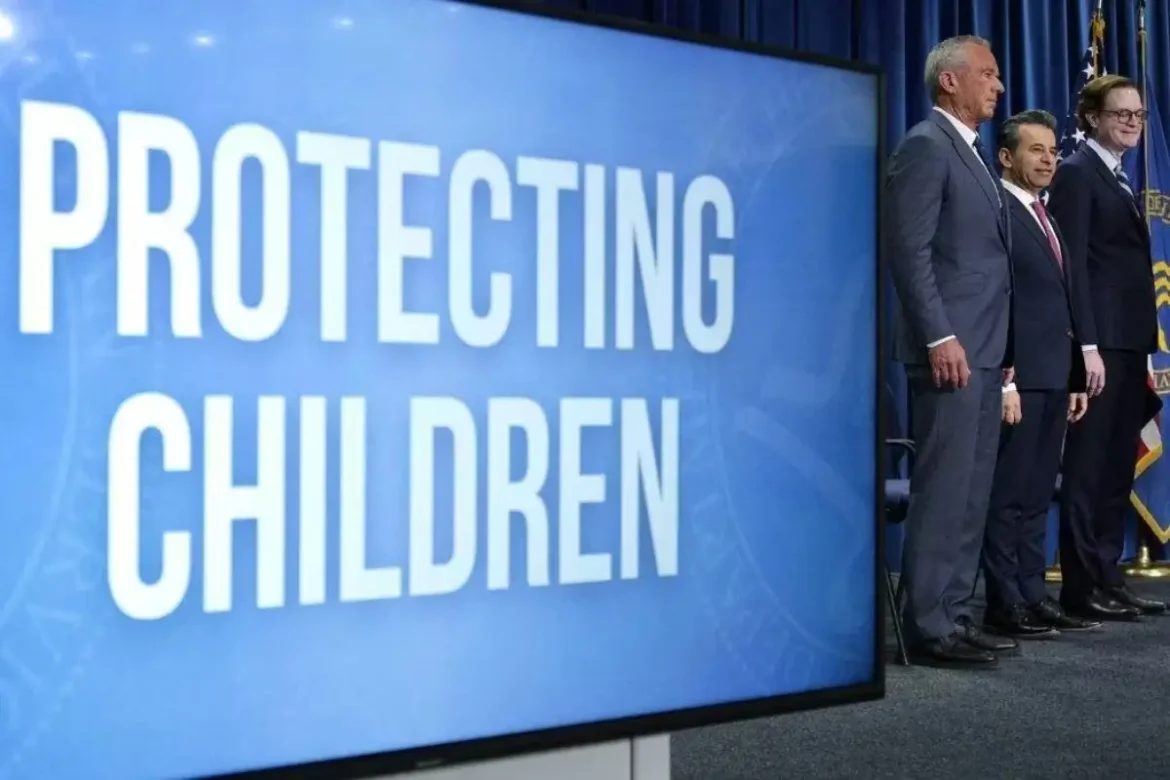
Prominent Australian advocates for children have raised concerns over the sudden resignation of the Northern Territory children’s commissioner, Shahleena Musk, ahead of changes to the Territory’s child protection laws. Australia’s peak advocate for Aboriginal children has described the circumstances around child protection in the Northern Territory as “dire” following the shock resignation. The resignation has raised questions about the state of child protection in the Territory and the adequacy of safeguards for vulnerable children. The timing of the resignation, coming shortly before significant legislative changes, has drawn particular scrutiny from advocates who fear that critical oversight may be lost during a period of transition.

The Northern Territory has a history of challenges in child protection, with previous inquiries highlighting systemic issues in the care and protection of children, including over-representation of Aboriginal children in out-of-home care and inadequate support for families at risk. The resignation of the children’s commissioner adds to concerns about the stability and effectiveness of the Territory’s child protection system, which has been under strain due to high caseloads and workforce shortages. Advocates are calling for urgent action to address the underlying issues that have contributed to the current situation, including increased funding for family support services and culturally appropriate intervention programs.

The circumstances surrounding the resignation remain unclear, with limited information available about the reasons for Musk’s departure. However, the concerns raised by child advocates suggest that the issues facing the Territory’s child protection system are significant and require immediate attention. The situation has prompted calls for a thorough review of child protection arrangements in the Northern Territory and greater transparency about the challenges facing the system. The federal government has been urged to provide additional support and resources to strengthen child protection in the Territory, including specialised training for frontline workers and expanded therapeutic services for children who have experienced trauma.

Pages: 1 2

Advertisement

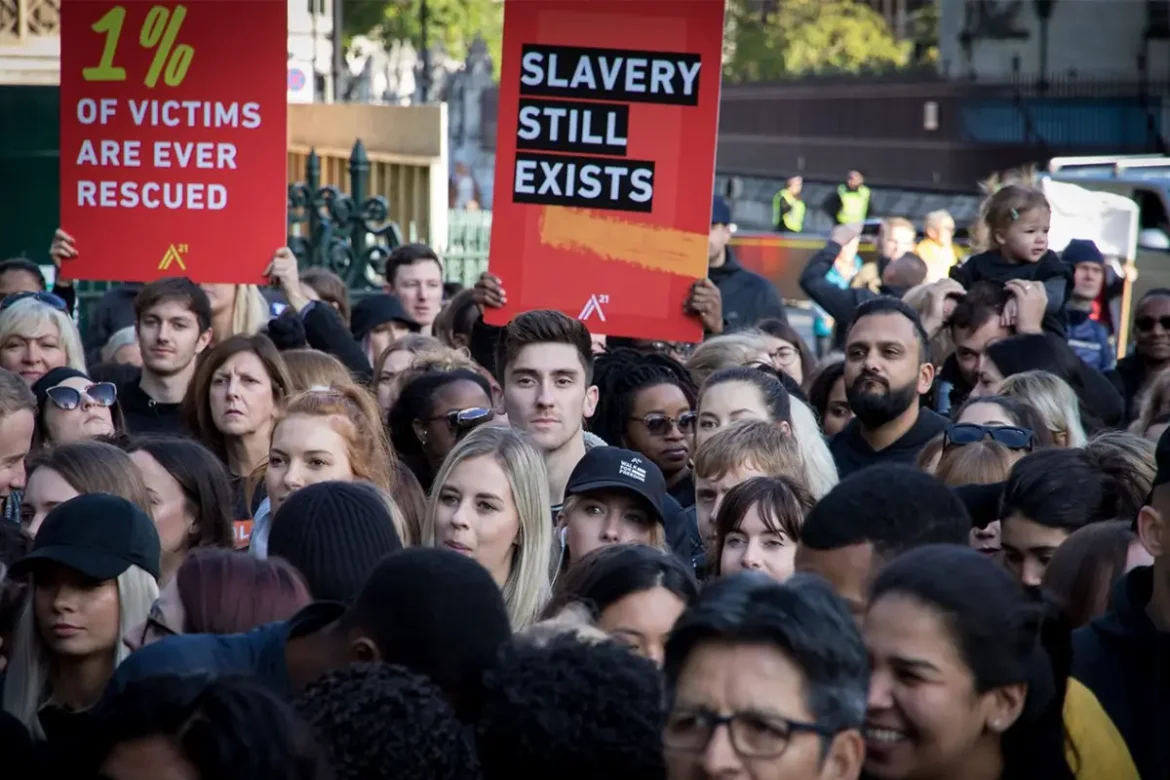
A federal government crackdown on big businesses that fail to take action to eradicate modern slavery from their supply chains is a welcome step to ending forced labour, human rights advocates say. Attorney-General Michelle Rowland has announced the nation’s modern slavery laws will be strengthened with substantial fines and criminal offences. The Albanese Government has announced plans for a new criminal offence and civil penalties for large companies that fail to prevent modern slavery in their supply chains. The move gives the law “some teeth” after years of a voluntary code that was able to be ignored by the worst offending companies, many of which continued to source from high-risk regions without meaningful due diligence.

Australia imports billions of dollars of goods with a high risk of slavery in their supply chains every year, including electronics, garments, seafood and agricultural products from countries with weak labour protections and limited enforcement capacity. Human rights advocates have welcomed the crackdown, describing it as a welcome step to ending forced labour. The Australian Council of Trade Unions also welcomed the announcement, describing it as a long-overdue reform that will improve corporate accountability and help prevent labour exploitation. The new laws will make big companies criminally liable for modern slavery in supply chains, with penalties that include fines of up to $10 million or 10 per cent of annual turnover, whichever is greater, and potential imprisonment for senior executives in egregious cases.

The strengthened laws respond to longstanding concerns that the existing framework, which relied on voluntary reporting, was inadequate to address the scale of modern slavery risks in global supply chains. The new criminal offence creates a powerful deterrent for companies that might otherwise turn a blind eye to labour abuses in their supply chains. The legislation is expected to have significant implications for large businesses operating in Australia, requiring them to demonstrate robust due diligence processes, including regular audits, risk assessments and transparent reporting. In March 2026, the UN Committee on Economic, Social and Cultural Rights called on Australia to introduce mandatory human rights due diligence, adding international legitimacy to the reforms.

Pages: 1 2

Advertisement

Australia’s landmark under-16 social media ban, which came into effect in December, is struggling to clear age-check hurdles, rendering the first-of-its-kind law ineffective, according to a testing firm. The law mandates that platforms including Instagram, Snapchat and YouTube bar people under 16 from having accounts. Since the ban’s implementation, complaints of cyberbullying on banned social media platforms increased 26 per cent when comparing January 2026 with January 2025, with complaints largely stemming from TikTok. The rise in complaints suggests that young users may still be accessing platforms despite the age restrictions, either by lying about their age or using workarounds such as VPNs and borrowed accounts.

The Australian government has moved to strengthen the ban, introducing new laws in parliament to give its internet regulator more power to pursue tech giants in court for non-compliance. The regulator is investigating possible non-compliance by five platforms: Meta’s Facebook and Instagram, Snapchat, TikTok and Google’s YouTube. The strengthened enforcement measures aim to address the shortcomings identified in the initial implementation of the ban, with the government seeking to demonstrate that it is serious about protecting young people from online harms. The amendments include higher fines and the ability to issue infringement notices without lengthy court proceedings, expediting the compliance process.

The social media ban has been closely watched internationally as a pioneering effort to regulate children’s access to social media platforms. Supporters argue that the ban is necessary to protect young people from cyberbullying, online predators and the negative mental health impacts of social media, which have been linked to increased rates of anxiety and depression among adolescents. Critics contend that the ban is difficult to enforce effectively and may drive young people to less regulated corners of the internet, such as encrypted messaging apps or obscure forums, where they may be exposed to even greater risks. The enforcement challenges highlight the complexities of regulating global technology platforms through national legislation, especially when platforms are not based in Australia.

Pages: 1 2

Advertisement

Councils across New South Wales are delivering projects to strengthen community connection and overcome hate, racism and discrimination at a local level, thanks to the latest round of the NSW Social Cohesion Grants for Local Government. Under the $800,000 program, seven metropolitan and six regional councils will consult with their communities to elevate local voices and shape each council’s response to hate, racism and discrimination. When social cohesion is undermined, communities are less resilient and division grows. The program responds directly to those concerns, supporting councils to deliver practical solutions and reinforce that hate, racism and discrimination have no place in NSW, particularly in the wake of rising community tensions observed in recent years.

Each project is locally designed and led to reflect the needs of specific communities, with many supporting the development of local anti-racism strategies and other long-term initiatives to build more inclusive communities. In Willoughby, council will facilitate a youth-led project across council areas along the Metro Line to build shared connection and address racism, misinformation and social division through guided engagements. In Lake Macquarie, accessible training will build the skills and confidence of community members to prevent, respond to and report racial discrimination. Since launching in 2021, the NSW Social Cohesion Grants program has delivered more than $2.7 million to 21 local governments, reaching diverse communities from western Sydney to regional centres.

Minister for Multiculturalism Steve Kamper said: “Our communities are made stronger by our diverse faiths, backgrounds, and cultures. It’s vital that we do everything we can to ensure our differences are respected and seen as the strengths that they are.” “No one should be made to feel like they do not belong in our state,” he said. “Creating a safe and inclusive environment for every person, and every family, is a duty that we all share.” Minister for Local Government Ron Hoenig said councils play an important role in bringing people together and helping create places where everyone feels they belong. The grant program is part of a broader state government commitment to social cohesion, which includes funding for community festivals, interfaith dialogues and multicultural media.

Pages: 1 2

Advertisement

Four deaths in four days sparked renewed calls for a royal commission into violence against women, with a Hobart commercial radio host putting the idea directly to Prime Minister Anthony Albanese. The petition referenced on the program has now reached 131,873 signatures, with 20 people adding their names in the space of 40 minutes. However, the prime minister’s response — that royal commissions primarily “fund lawyers” — has drawn criticism from some quarters. While many working to end domestic, family and sexual violence don’t support the call for a royal commission, they don’t entirely back the prime minister’s approach either, viewing his comment as dismissive of legitimate community anguish.

On paper, a royal commission is an independent, public inquiry, but in the collective consciousness, it is also a sign that an issue is of the utmost importance. This is despite the fact that many recommendations from royal commissions are left ignored for years or decades, as seen in previous inquiries into institutional abuse and natural disasters. Domestic, Family and Sexual Violence Commissioner Micaela Cronin isn’t a big backer of a national royal commission. “What we need to see now is action, coordinated action at a national level that is funded commensurate with the scale of the problem,” she said, arguing that further inquiry risks delaying implementation of already well‑documented solutions.

Cronin said she understands why people may want a royal commission, but she and her team have examined thousands of recommendations already made by more than 25 different inquiries — including royal commissions and inquests — providing practical solutions to stop and respond to violence against women and children. They found while many recommendations were repeated in report after report, they were never acted upon. Some of them were made by Cronin herself in the report of the federal government’s own rapid review into how to prevent violence against women and children, which was delivered more than two years ago. The lack of follow‑through has frustrated advocates who see the issue as one of political will rather than lack of knowledge.

Pages: 1 2

Advertisement

Our Company

Silent Basin Pty Ltd

16-18 Waltham St, Artarmon NSW 2064, Australia

+61402793151

[email protected]

Disclaimer

The information published on this blog is intended for general informational purposes only. We do not guarantee the accuracy, completeness, or reliability of any content. Any use of the information provided on this website is at your own discretion.

All rights reserved. 2026